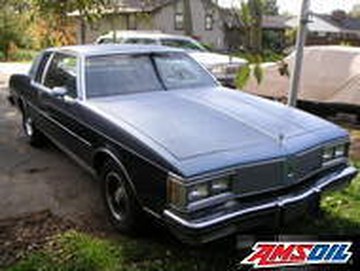
Lubrication Maintenance for the 1982 Oldsmobile 88 5.7L Diesel
Maintaining a diesel engine requires a disciplined approach to fluid management and routine inspections. For the 1982 Oldsmobile 88 equipped with the 5.7L diesel powerplant, consistent attention to lubrication quality and system integrity is a fundamental aspect of long-term ownership. Because diesel engines operate under different thermal and mechanical stresses than gasoline counterparts, understanding how to monitor and maintain your engine's oiling requirements is essential for preserving engine health.
Monitoring Fluid Integrity and Condition
Regularly checking the condition of your engine oil can provide valuable information about the internal state of the engine. When performing a routine check, observe the color and consistency of the lubricant. While diesel oil often appears darker more quickly than gasoline-engine oil due to the nature of diesel combustion, any significant changes in texture or an unusual odor should be investigated.
If you notice the oil appearing excessively thick or containing visible particulates, it may indicate that the service interval has been exceeded or that there is contamination within the system. Furthermore, if the lubricant level on the dipstick appears significantly different from previous checks, it warrants a closer inspection to determine if the engine is consuming oil or if an external leak is present. Identifying these changes early allows for more controlled maintenance decisions rather than reacting to unexpected mechanical issues.
Observing Potential Warning Signs
A proactive owner looks for subtle indicators that the lubrication system may require attention. While many mechanical issues can present various symptoms, certain signs are specifically worth monitoring in relation to engine oil:
- Visible Seepage: Inspect the area around the engine block and various sealing surfaces for any evidence of fluid leakage. Even small amounts of seepage can eventually lead to lower lubricant levels.
- Changes in Engine Sound: While unusual mechanical noises can stem from many sources, a change in the rhythmic sound of the engine during operation may indicate that lubrication is not performing as expected.
- Exhaust Observations: Changes in the color or density of exhaust smoke can sometimes be associated with how the engine is managing its internal fluids.
- Warning Indicators: If your vehicle is equipped with oil-related warning lights or gauges, any deviation from normal operating parameters requires immediate investigation to prevent potential damage.
It is important to remember that these symptoms can have multiple causes. A single observation should not be used to definitively diagnose a specific component failure, but rather as a prompt to perform a more thorough inspection.
Systematic Inspection of Aging Components
As vehicles age, the materials used in various systems may undergo changes in flexibility and durability. For a 1982 model, periodic visual inspections of the engine compartment can help identify components that might be nearing the end of their service life. Rather than replacing parts based solely on the age of the vehicle, focus on the actual condition of the components.
When performing these checks, look for signs of wear or deterioration in accessible areas. If equipped, inspect drive belts for evidence of cracking, glazing, or fraying. Similarly, examine any visible hoses for signs of softening, swelling, or hardening. Checking electrical connections and wiring harnesses for brittleness or corrosion is also a practical step in ensuring the vehicle's systems remain reliable. By focusing on the current physical state of these parts, you can prioritize maintenance tasks that are actually necessary based on observed wear.
Establishing a Maintenance Baseline
For owners of older vehicles where a complete service history might not be readily available, establishing a maintenance baseline is a highly effective strategy. This involves performing a comprehensive inspection and documenting the current state of all vital fluids and components. By knowing exactly what condition the vehicle is in today, you can more accurately track changes over time.
Start by reviewing any available service records to understand what has been performed in the past. If records are incomplete, use your initial inspections—such as checking for leaks, assessing the quality of the oil, and noting the condition of belts and hoses—to create a "snapshot" of the vehicle's health. This baseline allows you to distinguish between normal aging and new developments that require professional attention. Keeping a detailed log of every oil change, filter replacement, and observed inspection result will serve as an invaluable tool for long-term ownership and helps in making informed decisions about future repairs.
Prioritizing Service Tasks
Effective maintenance is not just about performing tasks, but about performing the right tasks at the right time. When managing a vehicle like the 1982 Oldsmobile 88, it is helpful to categorize maintenance into preventive and corrective actions. Preventive maintenance involves following established schedules for fluids and filters to avoid issues, while corrective maintenance addresses existing leaks or warning signs.
If you encounter an active leak or a change in how the engine is performing, these should take precedence over routine cosmetic or non-essential tasks. Addressing small issues, such as minor seepage, early on can prevent them from evolving into more significant mechanical concerns. Always prioritize tasks that directly impact the engine's ability to operate safely and efficiently, using the current condition of the vehicle as your primary guide.
Practical Guidance for Buying Engine Oil for the 1982 Oldsmobile 88 5.7L
When it is time to replenish your engine's lubricant, accuracy in selection is paramount. To ensure the longevity and proper operation of your 5.7L diesel engine, you must match the oil to the specific application requirements for your vehicle. Do not rely on general automotive knowledge or assumptions based on the vehicle's age to select a grade.
Always refer to the application-specific viscosity and lubricant information provided on this webpage before making a purchase. When selecting a product, check the label to ensure it meets the appropriate quality standards and certifications for your engine type. Depending on your specific needs and the current condition of your engine, you may choose between conventional, synthetic blend, or full synthetic formulations. Some high-mileage oil formulations also contain additives intended for use in aging engines, including seal-conditioning additives. Regardless of the formulation chosen, the most critical step is verifying that the product matches the viscosity information displayed in the application data above.